Vertical Visions: Picking And Defining Curtain Wall Systems
These systems can be personalized to fit the details requirements of the task, with a large range of aesthetic alternatives available including different glass kinds, surfaces, and shades. This enables architects to create a special and tailored look for the structure while keeping the effectiveness and speed of the prefabrication procedure. In general, curtain wall surface systems offer a range of benefits to contemporary building layout, supplying both useful and visual benefits. Therefore, it is very important for architects and developers to think about these systems as a feasible choice for their tasks. A curtain wall is an exterior covering of a building in which the external walls are non-structural, rather serving to shield the inside of the structure from the aspects. Due to the fact that the drape wall surface frontage brings no architectural load beyond its very own dead tons weight, it can be constructed from light-weight materials.
- The second element is the glazing, which refers to the transparent or translucent panels that compose the curtain wall surface.South-facing facades may benefit from solar control polishing to mitigate excessive warmth and glow, while north-facing wall surfaces may focus on taking full advantage of natural light with high-transparency glass.This connection has actually been demonstrably linked to enhanced passenger well-being, highlighting the significance of thoughtful planning when incorporating glazed areas.For commercial building and construction, the two most typical thicknesses are 1⁄4 inch (6.4 mm) monolithic and 1 inch (25 mm) insulating glass.
What Is A Curtain Wall Surface System's Aesthetic Imprint?
Regular upkeep consists of cleaning glass panels, checking seals, and looking for any indicators of corrosion or damages. The aluminum drape wall structure is naturally immune to deterioration, however periodic evaluations can help capture any type of problems prior to they become costly problems. With industrial architectural patterns favoring extensive glass, drape wall surface usage is growing in freshly built structures. Additionally, drape wall surface systems add to the general safety and security and durability of the building.
The expense of a curtain wall system can differ greatly relying on the type of system, product option, and customization choices. Usually, curtain wall systems are much more pricey than conventional wall surface systems, yet they can provide lasting cost financial savings with improved Click for source energy performance and decreased upkeep expenses. One more benefit of glass fin drape wall systems is their architectural efficiency. Glass fins can be crafted to provide significant architectural support, permitting the production of huge, open floor plans without the demand for extra columns or assistances. Furthermore, making use of glass fins can help to minimize the overall weight of the exterior, which can lead to cost savings throughout building. Among the primary benefits of glass fin drape wall systems is their aesthetic allure.
Emerging Developments: Incorporated Renewable Energy Systems
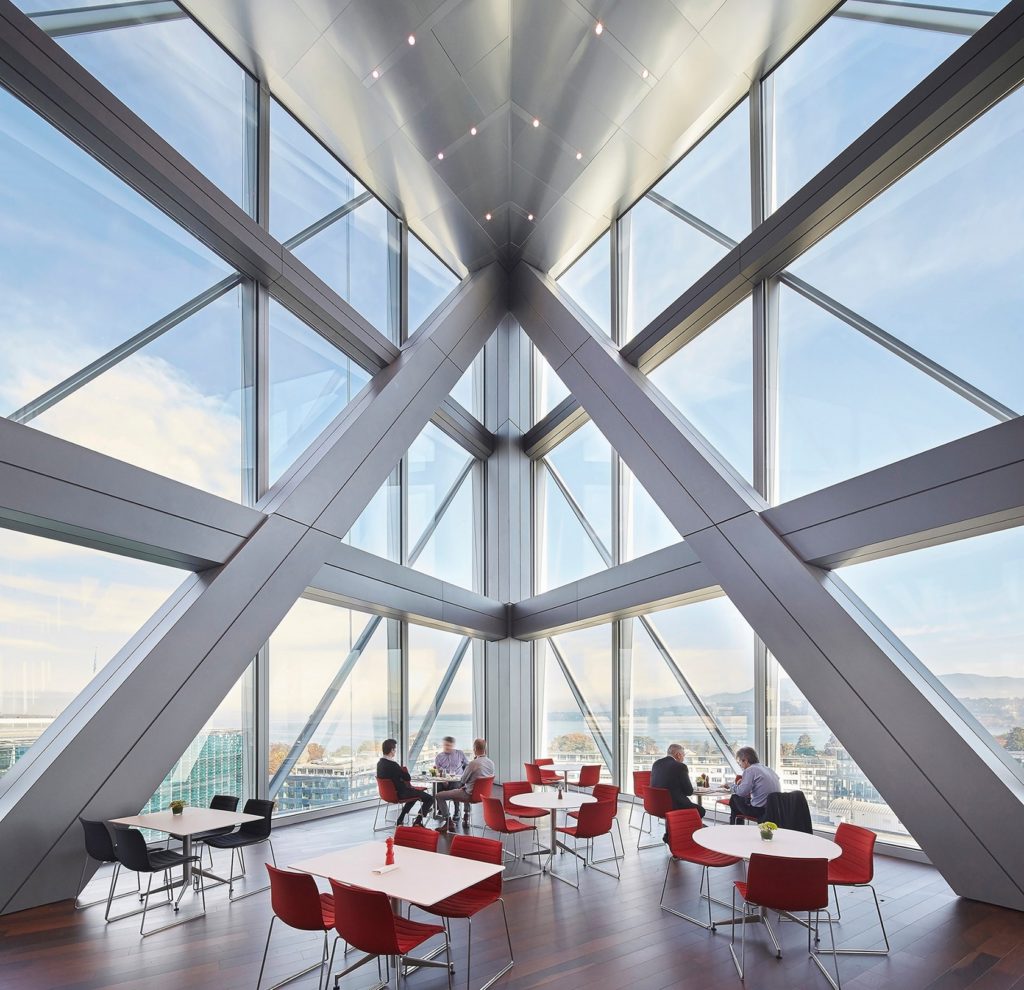
They likewise enable natural light to enter the structure, producing a bright and open indoor area. The term "curtain wall surface" refers to a structure envelope that is normally made from materials such as glass, light weight aluminum, or steel, producing a clear or translucent exterior. The term "drape" is utilized because the wall hangs from the building's framework like a drape, rather than bearing the weight of the floors over.
What Is A Curtain Wall In Building
Structural glazed drape wall systems are a sort of unitized system that is created to be structurally self-supporting. They are made from big glass panels that are kept in location by structural silicone joints. Structural glazed drape wall systems supply a smooth and continuous view of the outside environment. When selecting a semi-unitized drape wall system, it is necessary https://list.ly/i/10843877 to consider factors such as design versatility, efficiency, and efficiency.
Furthermore, light weight aluminum drape wall surface systems can be personalized to satisfy particular practical demands, such as power efficiency, acoustic insulation, or fire resistance. Terracotta curtain wall systems are a type of exterior cladding system that has actually become significantly popular in modern structure layout. These systems utilize terracotta panels as the primary cladding product, supplying a variety of benefits such as sturdiness, power performance, and visual allure. They are used to create a frontage on a building that is developed to stand up to wind and rainfall, while also enabling all-natural light to enter the building. Drape wall surfaces can be made from a selection of materials, and they can be found in a range of layouts. In this write-up, we will certainly explore the different types of curtain wall systems that are offered today.In addition to standing up to wind and seismic forces, drape wall surfaces have to additionally endure gravity tons and temperature modifications. In the stick curtain-wall system, the walls are typically put on hold in front of architectural steel or concrete framework, and these wall surfaces are non-load bearing wall surfaces. These walling systems are versatile and allow for incorporating other approaches such as moving doors and windows.